New siding changes how your home looks, how well it stands up to weather and how much it is worth. For most East Bay homeowners, the decision comes down to fiber cement vs vinyl siding. Both materials are popular, both come in attractive styles, and both can last for decades when installed correctly.
However, they perform very differently in California conditions. Our siding installation team works with both products throughout Walnut Creek, Lafayette and Pleasant Hill, so this guide is based on real projects rather than brochure promises.
What Is Fiber Cement Siding?
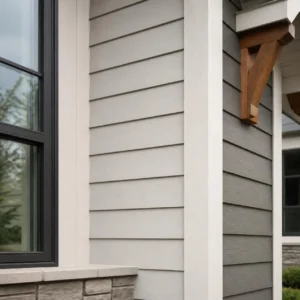
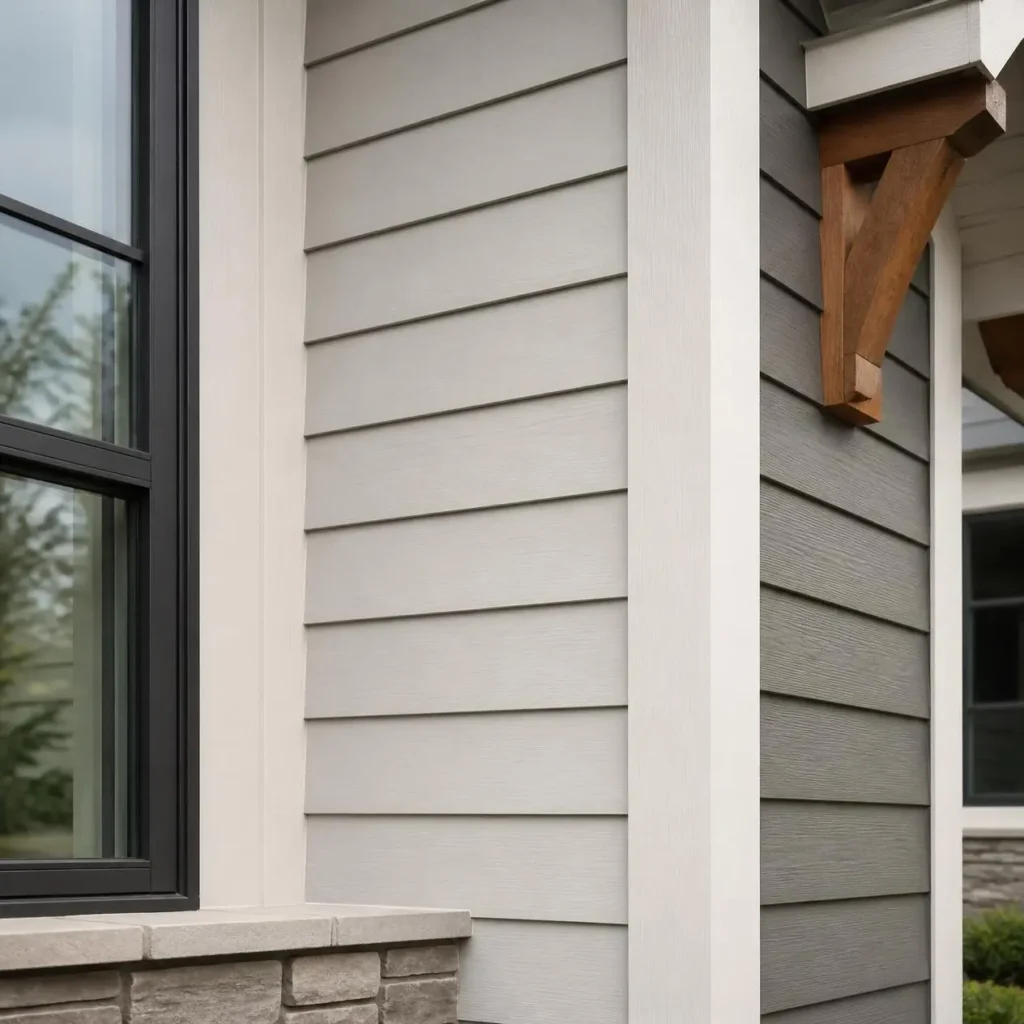
Fiber cement is made from Portland cement, sand and cellulose fibers pressed into planks, panels or shingles. The result is a dense, heavy board that convincingly mimics painted wood clapboard. It arrives either pre-finished from the factory or primed and ready for paint on site.
Because it is mostly cement, fiber cement does not rot, does not attract termites and will not melt near heat sources. Those qualities have made it a favorite for homeowners who want the look of wood without the constant upkeep.
What Is Vinyl Siding?
Vinyl siding is manufactured from PVC resin. Panels are lightweight, interlock easily and hang loosely on the wall so they can expand and contract with temperature changes. The color runs through the material, so minor scratches are less noticeable.
Vinyl has long been the budget-friendly choice in many parts of the country. Newer insulated and thicker profiles look better than older products, yet vinyl still tends to read as a little less substantial up close.
Cost Comparison
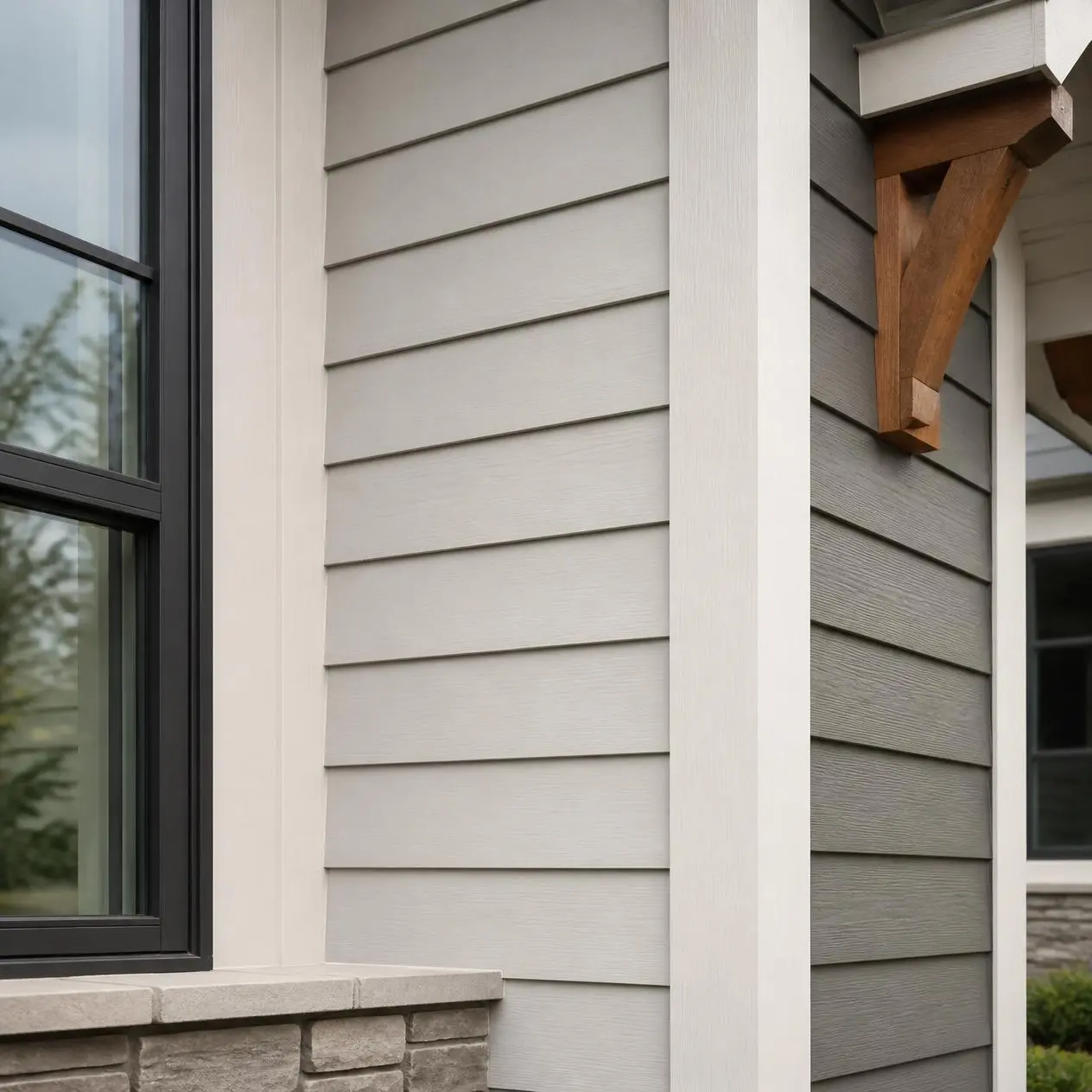
Vinyl is usually the less expensive option to buy and install. Its light weight means faster handling, fewer workers and simpler cutting. For large homes or tight budgets, those savings can be meaningful.
Fiber cement costs more because the boards are heavy, require special cutting tools and dust control, and need careful fastening. Painting adds further expense if you choose a primed product. Even so, many homeowners view the higher price as an investment in longevity and appearance rather than a simple expense.
Fire Resistance in California
Wildfire risk is a real concern across the hillsides surrounding Walnut Creek, and this is where fiber cement holds a clear advantage. It is noncombustible and is widely used on homes in wildfire-prone areas. When embers land on fiber cement, the material does not ignite or feed flames.
Vinyl, on the other hand, can warp, sag or melt when exposed to high heat, even from a nearby grill or reflected sunlight from energy-efficient windows. If your property sits near open space, we strongly encourage you to weigh fire performance heavily in your decision and to confirm current local building requirements with your contractor.
Durability and Weather Performance
Fiber cement resists rot, insects, salt air and strong sun. Its rigid boards stay straight and hold paint well, and many manufacturers offer long warranties on the substrate. Repainting every ten to fifteen years keeps it looking crisp.
Vinyl handles rain well and never needs paint. However, it can become brittle with age and may crack from impacts such as hail, stray baseballs or a lawn mower kicking up rocks. Intense California sun can also cause fading on darker colors over time.
Curb Appeal and Design Options
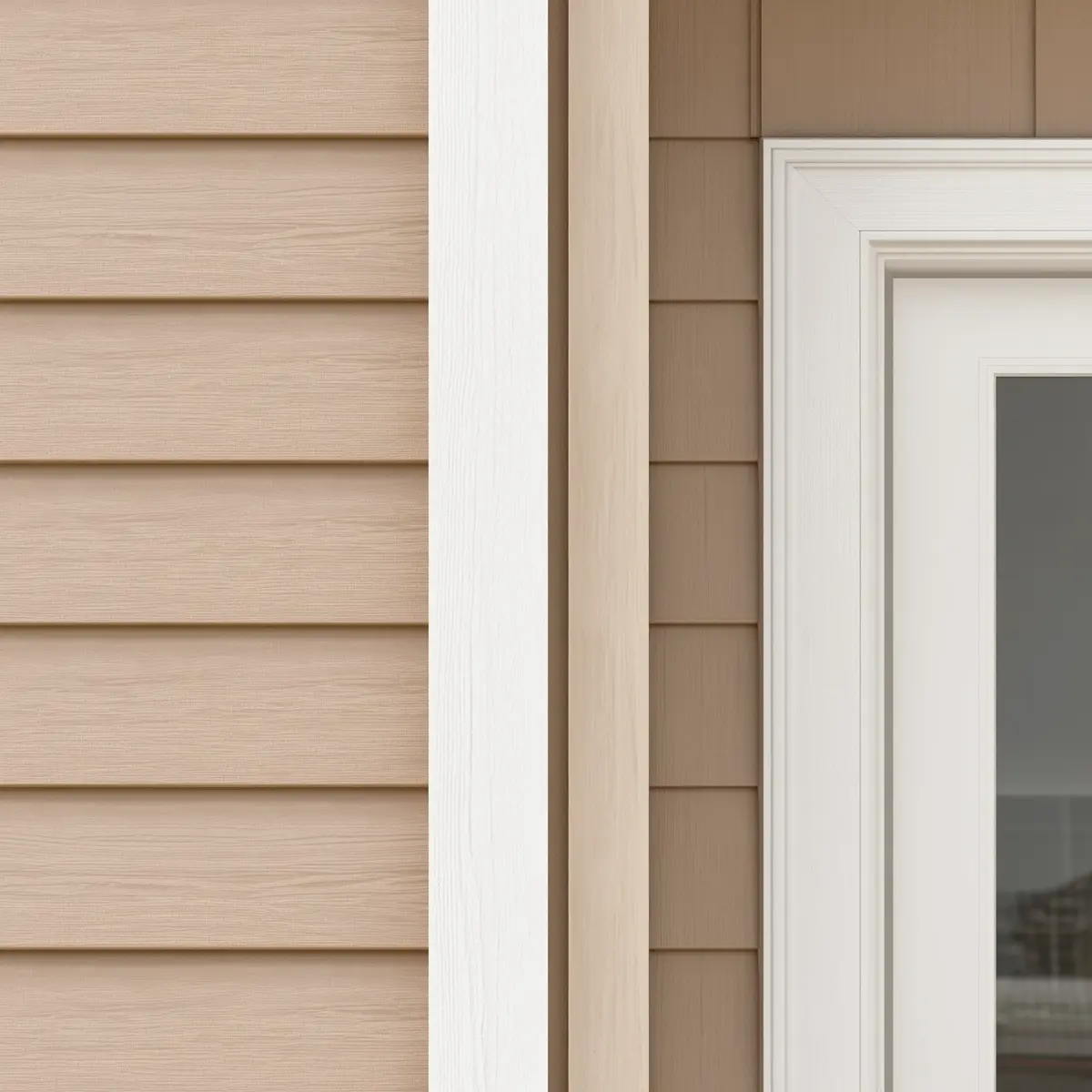
If you want the classic look of painted wood, fiber cement is hard to beat. It offers deep shadow lines, realistic textures and crisp trim details. You can also repaint it in a completely new color whenever your style changes.
Vinyl comes in many colors and profiles, including board and batten, shakes and horizontal lap. Still, visible seams and a slightly glossy finish can give it away. For inspiration, explore our look at home exterior trends in Walnut Creek.
Maintenance Requirements
Vinyl is about as low-maintenance as siding gets. An occasional rinse with a garden hose removes dust and pollen. You never sand, scrape or paint it.
Fiber cement needs slightly more care. Caulked joints should be inspected periodically, and painted surfaces eventually need a fresh coat. Factory-finished boards stretch that repaint cycle considerably, which reduces long-term effort.
Energy Efficiency
Neither material is a strong insulator by itself. The real energy performance comes from the wall assembly behind the siding, including house wrap, insulation and proper flashing. Insulated vinyl adds a foam backing, while fiber cement can be paired with rigid insulation boards for a similar benefit.
During any siding project, we inspect the sheathing and moisture barrier closely. Replacing siding is the best time to fix hidden problems, so we never cover damaged materials just to finish faster.
Resale Value and Return on Investment
Exterior upgrades consistently rank among the projects with the strongest return at resale. Fiber cement typically appeals to buyers in higher-value neighborhoods because it looks premium and signals lower long-term risk. Vinyl can still deliver a solid return, especially on rental properties or more modest homes.
To learn how exterior improvements raise value overall, read our guide on how a home exterior remodel in Walnut Creek boosts home value.
Which Siding Should You Choose?
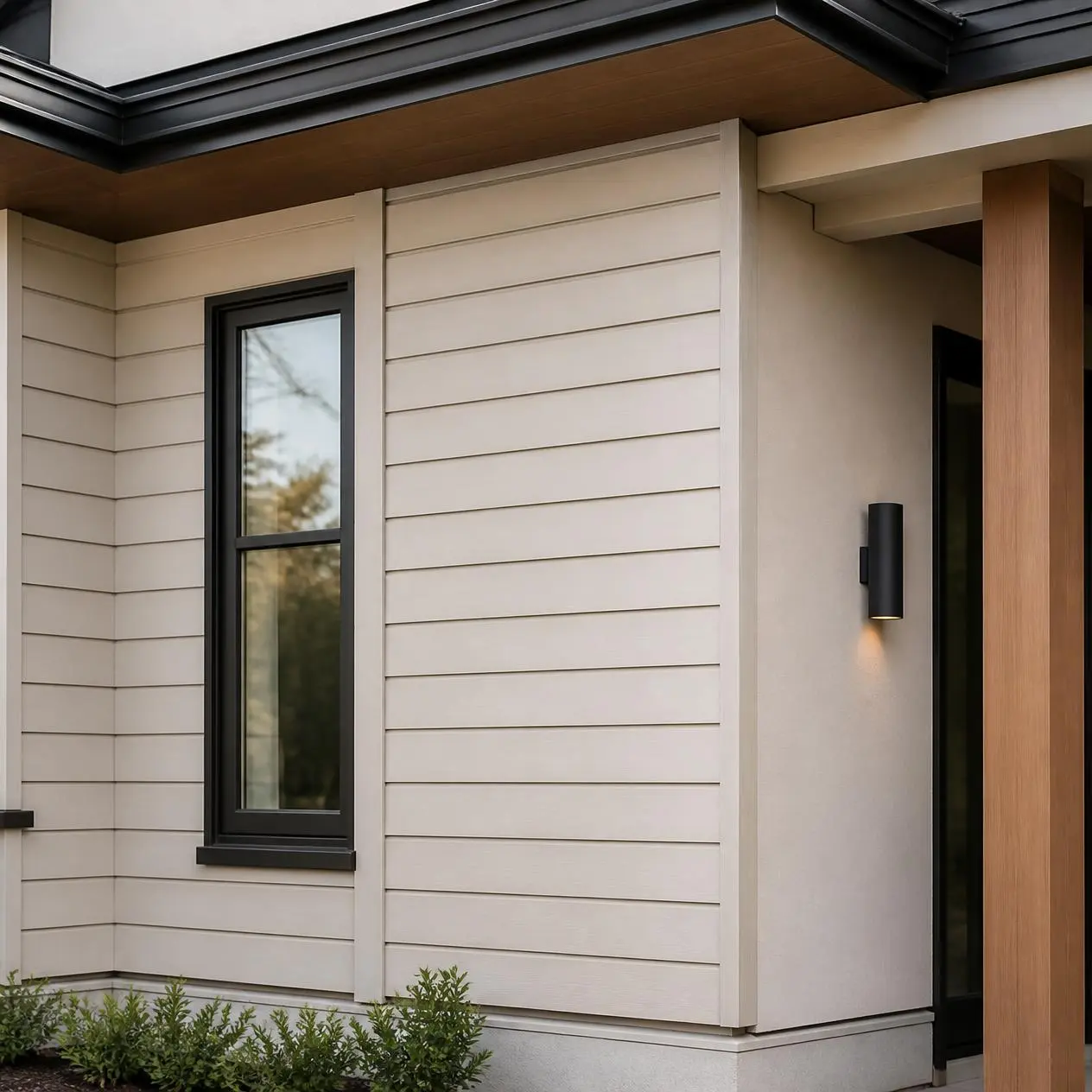
Choose fiber cement if fire resistance, a high-end wood look and long-term durability matter most. It is especially well suited to hillside homes, older craftsman properties and anyone planning to stay for many years.
Choose vinyl if your priority is a lower upfront cost and minimal maintenance, and your home has limited wildfire exposure. In every case, professional installation determines how well the siding performs. Pairing new siding with a roof inspection or replacement can also protect your entire building envelope at once.
Ready to compare options for your home? Book an appointment and we will walk your property, discuss colors and provide a clear written estimate.
Frequently Asked Questions
1. How long does fiber cement siding last?
With proper installation and periodic painting, fiber cement can last for decades. Many manufacturers back the boards with long substrate warranties.
2. Is vinyl siding allowed in wildfire areas?
Requirements vary by location and fire hazard zone. Always confirm with your local building department and contractor before choosing materials.
3. Can fiber cement be installed over old siding?
We usually recommend removing old siding first. That allows us to inspect sheathing, repair water damage and install a proper weather barrier.