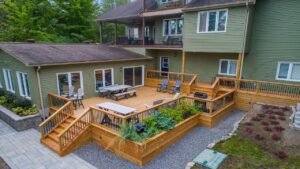
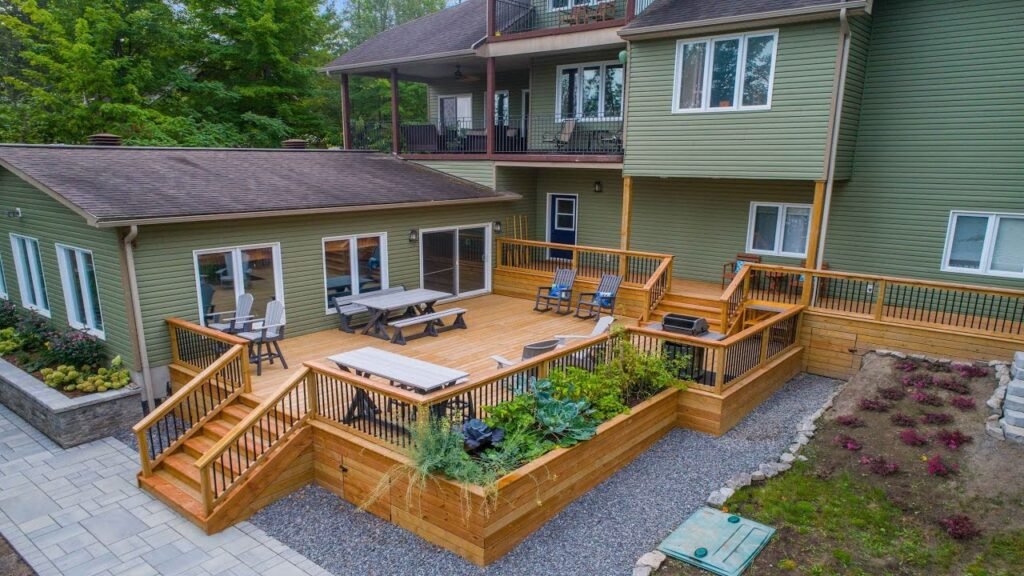
A deck is often the favorite gathering spot in a California home. Yet sun, winter rain and years of foot traffic slowly wear it down. When boards start to soften or railings begin to wobble, homeowners face a common question: deck repair vs replacement, which one makes more sense?
The answer depends on what is happening beneath the surface. Our deck and patio cover specialists inspect decks across Walnut Creek and the East Bay every week. Below, we share how we evaluate a deck and how you can tell which path fits your situation.
Why the Structure Matters More Than the Surface
Most people judge a deck by its boards. Faded, splintered or cupped decking certainly looks bad, but it is rarely the real problem. The structure underneath, including posts, beams, joists, footings and the ledger board attached to your house, determines whether a deck is safe.
When that framing is sound, repairs can extend the life of your deck for many years. When the framing is compromised, new boards simply hide a hazard. That is why a careful structural inspection always comes before any recommendation.
Signs Your Deck Can Be Repaired
Repairs are usually the right choice when damage is limited and isolated. A handful of cracked or warped boards can be swapped out without disturbing the rest of the surface. Loose nails can be replaced with corrosion-resistant screws, which hold far better over time.
Wobbly railings are another common fix. Often, the posts simply need new through-bolts or added blocking. Likewise, a weathered deck that is otherwise solid may only need cleaning, light sanding and a quality stain or sealer to restore its appearance and protection.
Minor stair issues, such as a single cracked tread or a loose stringer connection, also fall into repair territory. As long as the joists and beams are firm and dry, targeted repairs are cost-effective and practical.
Signs Your Deck Needs Replacement
Widespread rot is the clearest warning sign. If a screwdriver sinks easily into joists, posts or beams in several places, the structure is losing strength. Rot tends to spread, so patching one area rarely solves the problem.
A damaged or improperly attached ledger board is another serious concern. The ledger connects the deck to your home, and failures here are among the leading causes of deck collapses. Missing flashing, rusted fasteners or water stains on the siding behind the ledger all call for close evaluation.
Sagging, bouncing or noticeable leaning also suggests deeper trouble. Cracked or sinking footings, undersized joists and heavily corroded hardware usually mean the deck no longer meets current safety expectations. In these cases, replacement protects your family and your investment.
Age and Material Considerations
Age plays a role in the deck repair vs replacement decision. A pressure-treated wood deck that has been maintained well may serve for many years, while neglected decks can deteriorate much sooner. Redwood and cedar resist decay naturally but still need regular sealing.
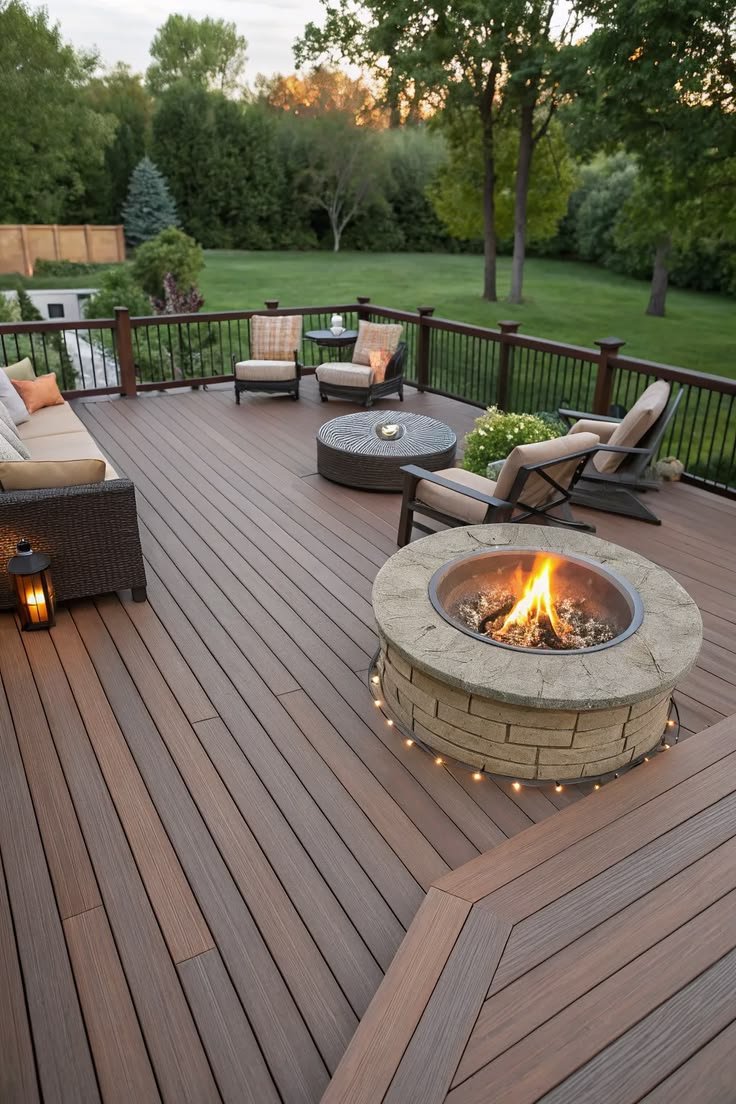
Composite decking resists rot and splintering and rarely needs staining. However, composite boards usually sit on wood framing, which still ages. If your deck is older and you are already replacing most of the boards, upgrading to composite on a new frame can deliver a longer-lasting result.
Comparing Costs Over Time
Repairs almost always cost less upfront. Replacing several boards, tightening hardware and refinishing the surface is a modest investment compared with a full rebuild. For a structurally sound deck, repair offers excellent value.
The math changes when problems pile up. If you are paying for new boards, new railings and structural reinforcement at the same time, the total can approach the cost of a new deck. A new structure also comes with fresh materials, modern hardware and a design that fits how you live today. A good rule of thumb is that when repair costs climb toward half the price of replacement, a rebuild deserves serious consideration.
Safety Should Drive the Decision
A deck may look fine and still be unsafe. Railings must resist the weight of people leaning against them, and stairs need consistent rise and run to prevent falls. Older decks were often built before current building codes, so they may lack proper footings, lateral load connectors or guard heights.
If your deck is elevated, hosts frequent gatherings or supports a hot tub, safety deserves extra attention. Before replacing a deck, it is also worth checking local rules. Our guide on whether you need a permit to build a deck in Walnut Creek explains what the city typically requires.
Opportunities a Replacement Creates
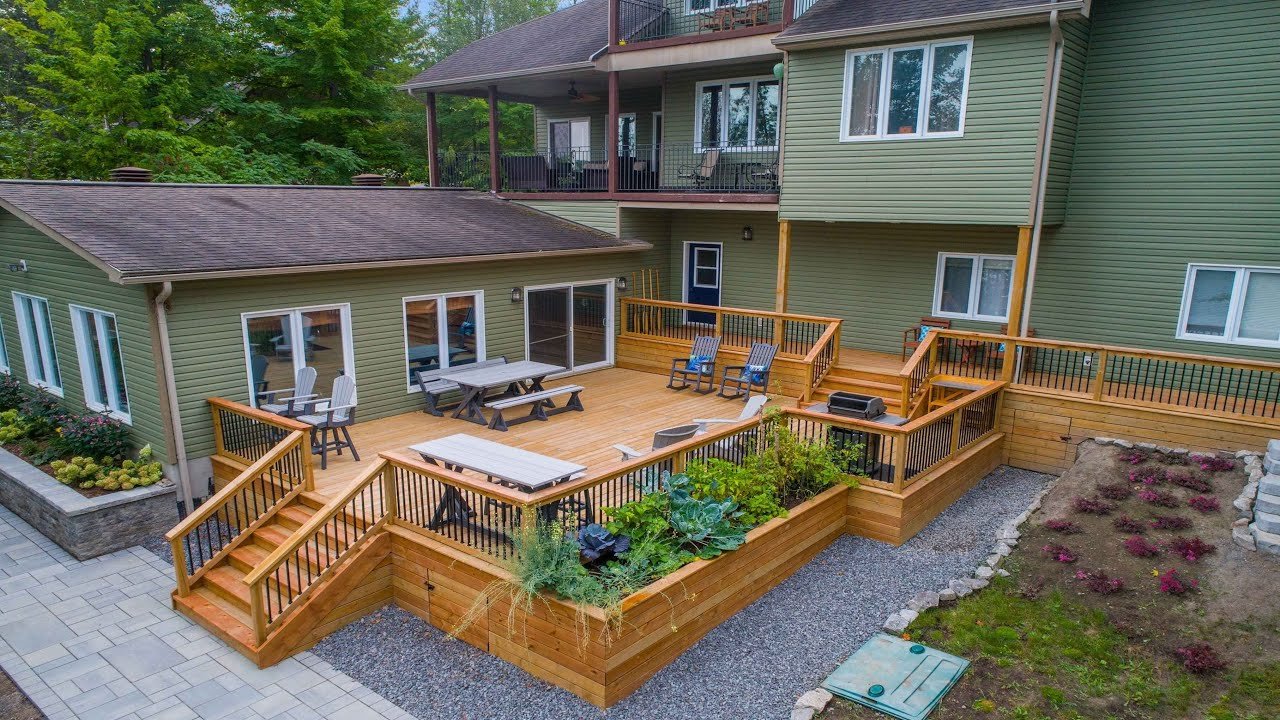
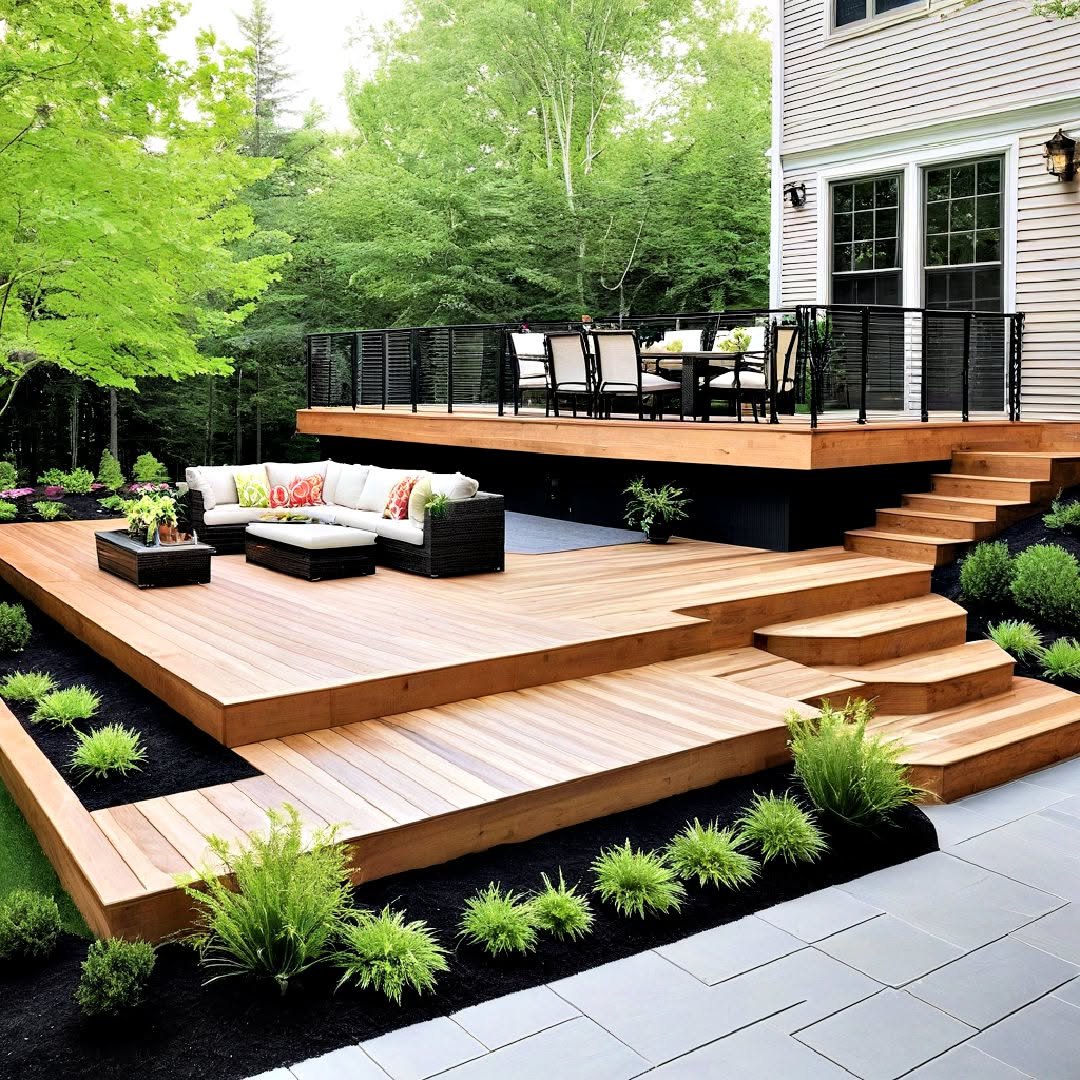
Replacing a deck is also a chance to improve your outdoor living space. You can expand the footprint, add built-in benches, create multiple levels or include a pergola for shade. Low-voltage lighting and hidden fasteners give the finished deck a clean, modern look.
Many homeowners combine a new deck with other outdoor upgrades. If you enjoy entertaining, our article on outdoor kitchen design and cost offers ideas for building a complete backyard retreat. You can also browse our recent projects for inspiration.
How to Maintain Your Deck After Repair or Replacement
Routine care keeps small issues from becoming big ones. Sweep away leaves and debris that trap moisture, especially between boards. Wash the surface each spring and reseal wood decks every two to three years, depending on sun exposure.
Walk the deck once a year and check for loose fasteners, soft spots and railing movement. Look underneath, too, because many problems start out of sight. Catching damage early keeps repairs simple and affordable.
Get a Professional Deck Evaluation
The deck repair vs replacement decision is easiest when you know exactly what is happening below the boards. A professional inspection reveals hidden rot, ledger problems and footing issues that homeowners often miss. Contact Build Strong Construction & Remodeling to schedule an evaluation, and we will give you honest advice on whether repair or replacement is the smarter investment.
Frequently Asked Questions
1. Can I replace deck boards without replacing the frame?
Yes, if the joists, beams and posts are solid and dry. Resurfacing a sound frame is a common, budget-friendly upgrade.
2. How do I know if my deck is unsafe?
Soft or rotting wood, loose railings, sagging areas and rusted hardware are warning signs. A professional inspection is the safest way to confirm.
3. Is composite decking worth it?
Composite costs more upfront but needs far less maintenance than wood. Many homeowners find it worthwhile over the life of the deck.