
A whole house remodel can transform an outdated property into a home that fits the way you live today. It is also one of the largest investments most homeowners ever make. Naturally, the first question we hear is simple: how much does a whole house remodel cost?
The honest answer is that it depends on several connected decisions. Two homes of the same size can land at very different totals based on scope, finishes and what is hiding behind the walls. Our full house remodeling team has guided many East Bay families through this process, and this article breaks down the factors that shape your budget.
What Counts as a Whole House Remodel?
A whole house remodel updates most or all of the living spaces at once. It often includes the kitchen, bathrooms, flooring, lighting, paint, doors and trim. Many projects also involve new electrical panels, plumbing upgrades, insulation and windows.
Some remodels stay cosmetic, keeping the layout intact and focusing on surfaces. Others open walls, relocate rooms or add square footage. Understanding where your project falls on that spectrum is the first step toward a realistic number.

The Biggest Factors That Affect Cost
Home Size and Square Footage
Larger homes require more materials and more labor, so square footage is a natural starting point. Contractors often discuss remodeling in cost per square foot. That figure is useful for early planning, but it can be misleading because kitchens and bathrooms cost far more per square foot than bedrooms or hallways.
Scope of Work
Scope has the greatest influence on your final total. Refreshing finishes throughout the house costs much less than gutting interiors down to the studs. Moving walls, plumbing fixtures or gas lines adds engineering, permits and labor. Structural changes, such as removing a load-bearing wall, require beams and inspections that increase both cost and time.
Quality of Finishes
Material choices can swing a budget dramatically. Builder-grade cabinets, laminate counters and standard fixtures keep costs moderate. Custom cabinetry, natural stone, designer tile and premium appliances raise the total quickly. Many homeowners mix levels, investing in high-impact areas like the kitchen while choosing practical finishes elsewhere.
Age and Condition of the Home
Older homes often hide surprises. Outdated wiring, galvanized pipes, foundation issues, dry rot and lead paint or asbestos may need attention before cosmetic work begins. These hidden conditions are one reason we recommend a thorough pre-construction inspection. If your property is showing its age, our article on signs an old house needs a full renovation is a helpful read.
Why Bay Area Remodels Cost More
Remodeling costs in Walnut Creek and the greater San Francisco Bay Area are among the highest in the country. Skilled labor is in high demand, and wages reflect the region’s cost of living. Material delivery, disposal fees and local permit costs also add up.
California energy codes and seismic requirements raise standards as well. Upgrading insulation, lighting and mechanical systems to meet current codes improves comfort and efficiency, but those improvements belong in your budget from the start.
Where the Money Typically Goes
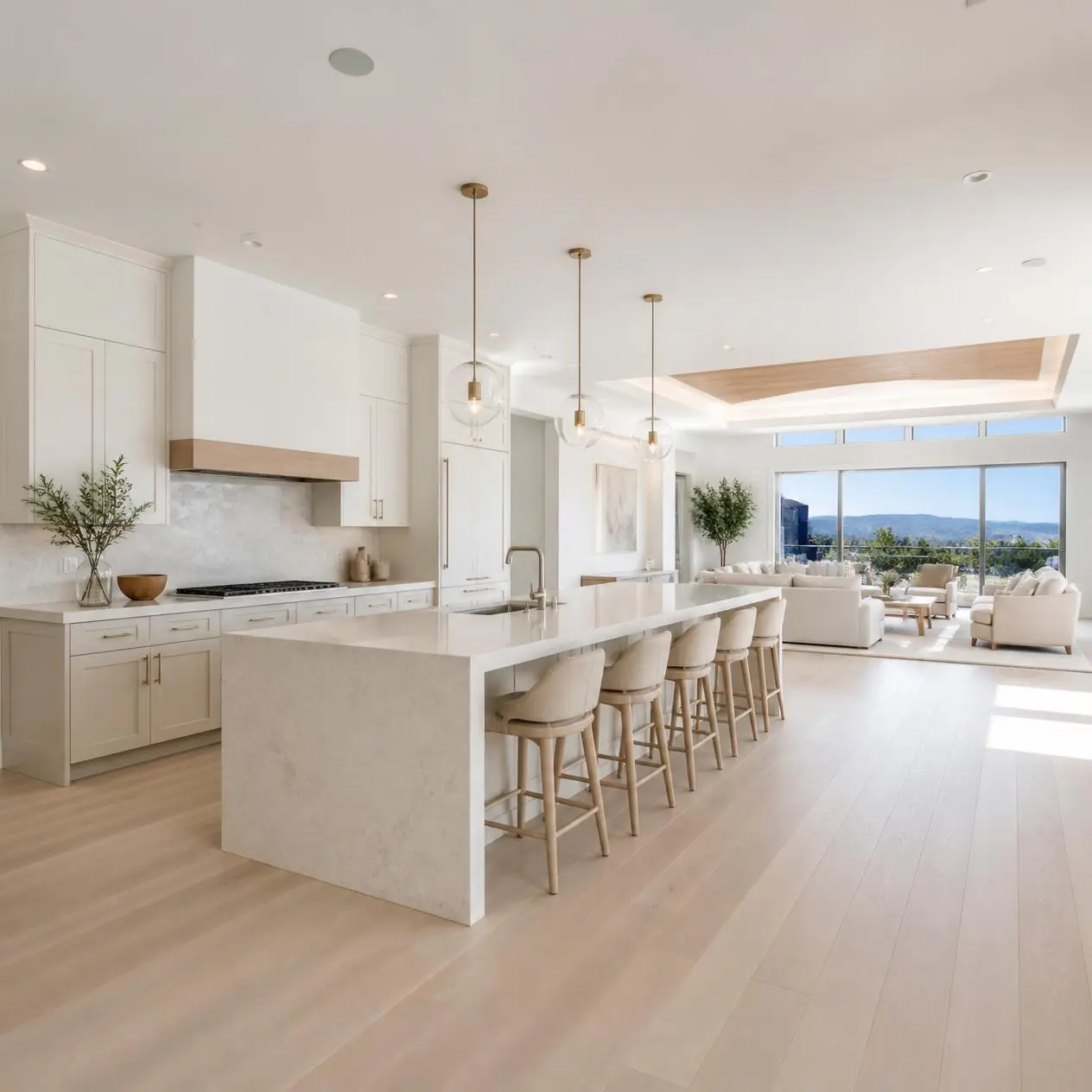
Kitchens usually take the largest share of a whole house budget because they combine cabinetry, counters, appliances, plumbing, electrical and lighting in one room. Bathrooms come next, driven by tile, waterproofing, fixtures and ventilation. Our kitchen remodeling and bathroom remodeling pages show the kind of work these rooms involve.
Flooring, paint, doors and trim spread across every room, so even modest upgrades add up over a large footprint. Mechanical systems, including HVAC, electrical service and plumbing, are less visible but essential. Finally, design fees, engineering, permits and project management round out the total.
Planning a Realistic Budget
Start by listing your must-haves, then your nice-to-haves. This ranking makes trade-off decisions easier when estimates arrive. Next, set aside a contingency fund, commonly 10 to 20 percent of the construction budget, to cover unexpected conditions discovered during demolition.
Detailed planning also keeps costs predictable. Finalizing selections before construction begins prevents change orders, which are one of the most common causes of budget overruns. For more budgeting strategies, see our practical home remodeling budgeting guide.
How Timeline Affects Cost
Time and money are closely linked. A longer project may mean extended temporary housing, storage fees and more months of carrying costs. Delays caused by late material deliveries or design changes can also push labor costs higher.
A clear schedule protects your budget. Our guides on how long it takes to renovate a house and how to plan a home renovation timeline explain the typical phases and how to keep each one on track.

Smart Ways to Control Costs
Keeping the existing layout is one of the most effective ways to save. When plumbing and gas lines stay in place, you avoid significant labor and permit expense. Refacing cabinets instead of replacing them, or choosing quality engineered materials instead of top-tier natural options, can also stretch your budget.
Phasing is another option. Some families remodel the kitchen and main living areas first, then tackle bedrooms and bathrooms later. However, completing everything at once often lowers the overall cost because crews mobilize only once and trades work in a logical sequence.
Is a Whole House Remodel Worth It?
For many homeowners, a whole house remodel delivers better value than moving. You keep your neighborhood, schools and community while gaining a home that feels new. Updated systems also reduce maintenance worries and can lower energy bills. In a competitive market like Walnut Creek, a well-executed remodel can strengthen resale appeal as well.
If you want a closer look at local pricing, read our related article on full home remodel cost in Walnut Creek. Then contact Build Strong Construction & Remodeling for an in-home consultation and a detailed, line-item estimate tailored to your goals.
Frequently Asked Questions
1. How is whole house remodel cost estimated?
Contractors review your scope, measurements, finish selections and home condition. A site visit is essential for an accurate, itemized estimate.
2. Can I live in my home during a whole house remodel?
It depends on scope. Cosmetic projects may allow it, while major remodels involving kitchens, plumbing and electrical often require temporary housing.
3. How much contingency should I plan for?
Many experts recommend 10 to 20 percent of the construction budget. Older homes may warrant the higher end because of hidden conditions.