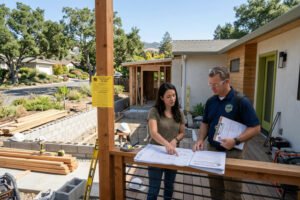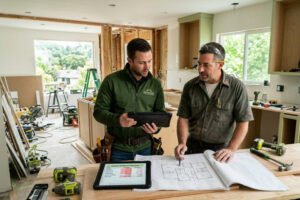
Families can figure out how to remodel in phases to spread out costs over 12 to 36 months by following a master plan that tackles shared plumbing and electrical infrastructure first. This safe strategy protects your cash flow and guarantees future stages avoid costly tear outs. Before beginning, you must consult a professional full house remodeling team to draft a realistic timeline. Setting up this foundation means you can comfortably afford major upgrades across your entire Walnut Creek property.
Many homeowners wonder if breaking up a large project truly saves money in the long run. The reality is that careful scheduling prevents you from paying for the same labor twice. For example, upgrading your electrical panel during the first stage ensures your future kitchen upgrade has enough power. As a result, you avoid opening up newly finished drywall just to run additional wires. Planning ahead keeps the entire Walnut Creek home renovation completely stress free and financially manageable.
Can You Remodel in Stages to Spread Costs Without Rework?
Tackling a massive renovation project all at once often requires taking on significant debt. However, choosing to break your project into smaller stages lets you pay with cash as you go. This method requires a strict sequence of events so contractors never have to undo their recent progress. Because local Walnut Creek building codes are strict, passing inspections on shared systems early prevents costly delays later. Careful timing guarantees a smooth process into 2027.
Understanding the difference between a cosmetic update and a structural overhaul helps you set realistic expectations for the timeline. Cosmetic changes like fresh paint or new cabinet hardware take very little time and rarely require building permits. Conversely, moving structural walls requires engineering approvals and extensive municipal oversight before a hammer ever swings. Therefore, organizing your master plan around the most legally complex tasks ensures you never stall out. Addressing structural needs immediately paves the way for beautiful aesthetic upgrades.
1. Compare the Remodeling Plan: Phased vs. All at Once
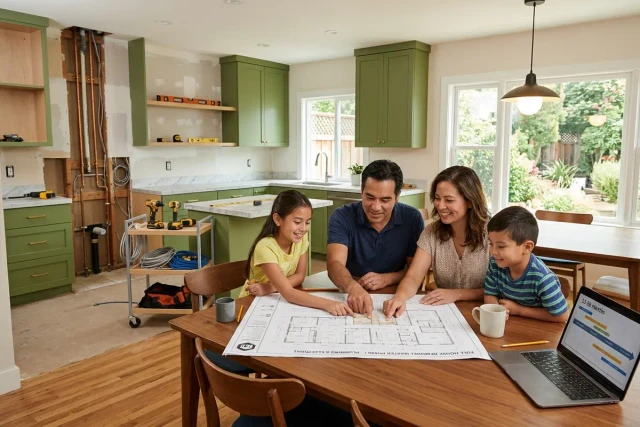
The biggest financial difference between these two approaches involves upfront capital versus ongoing mobilization fees. Paying for everything simultaneously requires a massive lump sum, which is not always practical for East Bay families. On the other hand, a phased approach spaces out your remodel cost walnut creek payments over several years. You must account for contractors charging a setup fee every time they return to the property. Therefore, an effective remodeling plan carefully balances these extra trip charges against loan interest savings.
2. Hire an East Bay Contractor Who Opens Each Wall Once
The most critical part of understanding phased remodeling sequencing is protecting your shared walls. Mechanical, electrical, and plumbing lines often run behind the same sheetrock. For example, if you plan to update a guest bathroom next year, rough in the plumbing pipes while the adjacent hallway is currently open. Taking this preemptive step secures your future phases. Consequently, your East Bay contractor can easily connect fixtures later without destroying your beautifully painted corridors.
Upgrading your HVAC system early provides another perfect example of smart phase planning. Installing larger ductwork requires significant ceiling space, which impacts the design of your future lighting fixtures and drywall finishes. Because replacing ducts creates substantial dust, you always want this messy work completed before bringing in expensive new furniture. Ultimately, checking these major utility boxes right away prevents your family from living through unnecessary construction messes multiple times. Careful execution guarantees cleaner air and better energy efficiency.
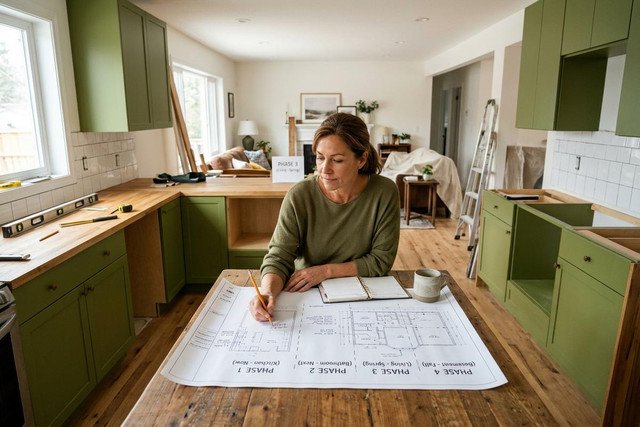
3. How to Remodel in Phases to Spread Out Costs: A 4 Stage Roadmap
A successful multi year project requires dividing the workload into logical stages. Stage one always addresses the exterior envelope, structural supports, and heavy utility upgrades. Once the foundation is solid, stage two shifts focus to the main living areas and kitchen spaces. Following this order ensures the messiest construction happens while you can easily relocate or isolate the dust. Preparing your kitchen remodel cost breakdown early helps you set aside exact funds for this highly anticipated second phase.
Stage three typically involves updating the secondary bedrooms and remaining bathrooms across the home. Because the main living areas are already finished, your family can comfortably relax in the remodeled spaces while contractors work in isolated zones. Finally, stage four covers exterior finishes like siding, landscaping, and final driveway paving. Breaking the property down into these distinct zones allows you to take necessary mental breaks between construction periods. This pacing prevents renovation fatigue from overwhelming your daily schedule.
4. Manage Your Phased Renovation Budget and Construction Costs
Buying materials in bulk during your initial planning phase locks in current prices before inflation hits in 2027. Hardwood flooring, custom cabinets, and stone slabs often look slightly different if ordered from separate manufacturing batches months apart. Therefore, purchasing these finishing items together ensures perfect design consistency throughout the property. You simply store the extra materials in a dry, secure space until the next phase begins. As a result, you maintain total control over your overall phased renovation budget.
Local homeowners constantly look for creative ways to lower their total construction costs without sacrificing quality. One proven strategy involves grouping similar trade skills together during a single visit. For instance, having the tile setter complete the mudroom floor while they are already working on the primary shower saves significant travel expenses. Reviewing before after walnut creek transformations shows exactly how combining tasks speeds up the timeline. Strategic grouping is the ultimate secret to maximizing your return on investment.
Scheduling painters to complete several rooms concurrently offers another massive opportunity for lowering expenses. Contractors spend hours masking floors, setting up scaffolding, and preparing spray equipment before applying a single drop of color. If you ask them to paint the entire main floor simultaneously, they only perform this tedious preparation once. Consequently, the labor charges drop significantly compared to bringing the crew back for individual rooms. Smart homeowners always bundle these finishing touches to protect their hard earned money.
Securing your local city permits at the exact same time also reduces administrative fees and frustrating bureaucratic delays. The local building department reviews comprehensive plans much faster than piecemeal applications submitted over several years. If you need to verify specific zoning laws or property lines, visiting the local municipal planning office or checking resources like this local map guide provides clarity. Thorough initial planning simply makes the subsequent construction stages run smoothly regardless of neighborhood traffic or unexpected weather conditions.
Get a Walnut Creek Home Renovation Estimate Today
Executing a multi stage project requires a highly organized team to guide you through every technical detail. Our experienced professionals know exactly how to schedule your renovations while protecting your daily comfort. We specialize in coordinating complex schedules for local families who want premium results without the sudden financial strain. Furthermore, if you are looking for trusted handicap bathroom remodel contractors, our crew ensures your space meets all accessibility needs securely and beautifully.
Frequently Asked Questions
1. What adds the most value when remodeling a home?
Kitchen and primary bathroom updates typically offer the highest return on investment for homeowners. Integrating these essential spaces into a larger phased plan ensures you modernize your core plumbing systems simultaneously. This strategic approach dramatically boosts your overall property value.
2. What is the 30% rule in remodeling?
The 30% rule suggests your total monthly housing costs should never exceed 30% of your gross income. Taking on massive renovation debt easily pushes families past this safe financial threshold. Choosing a phased, cash funded timeline keeps your monthly expenses comfortably secure.
3. What is the most expensive part of a remodel?
Structural changes and mechanical systems like plumbing, electrical, and HVAC are consistently the costliest components. Because these foundational elements require specialized labor and expensive permits, they demand the largest portion of your budget. You must always address these critical upgrades during phase one.
4. How much contingency fund should you hold for each phase?
We highly recommend holding a 15 to 20 percent contingency fund for each individual construction phase. Unforeseen structural issues or sudden material price changes frequently happen in the East Bay market. Having this safety net guarantees your project never stalls halfway through completion.
5. How do you maintain design consistency when projects are 18 months apart?
You maintain perfect design consistency by selecting and purchasing all your finish materials during the initial planning stage. Buying bulk items like flooring, tile, and stone slabs early prevents mismatched colors from separate manufacturing batches. Safely storing these items ensures a unified look.
Ready to plan your phased renovation? Contact Build Strong Construction & Remodeling today for a master remodeling plan and free estimate in Walnut Creek.